

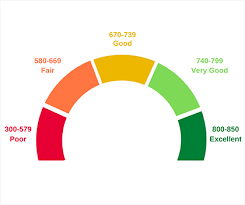
Your credit score plays a major role in determining your mortgage rate and loan approval terms. A higher score can mean lower monthly payments and thousands in savings over the life of your loan.
Here are some proven strategies to improve your score:
- Pay Bills on Time Every Time
📌 35% of your credit score is based on payment history. Even one late payment can lower your score.
📌 Set up autopay or calendar reminders to avoid missed payments.
- Lower Your Credit Utilization Ratio
📌 This is the percentage of available credit you re using. Ideally, keep it below 30%, but under 10% is best.
📌 Pay down credit card balances before the statement date.
📌 Consider asking for a credit limit increase (but don’t add more debt!).
- Avoid Opening or Closing Accounts Before Applying for a
Mortgage
📌 New credit inquiries can temporarily lower your score, and closing old accounts reduces your credit history length.
📌 Hold off on opening new credit cards, car loans, or financing purchases before applying for a mortgage.
- Check Your Credit Report for Errors
📌 1 in 5 credit reports contain errors that can hurt your score.
📌 Get a free copy at AnnualCreditReport.com and dispute any mistakes.
- Diversify Your Credit Mix
📌 A mix of credit types (credit cards, auto loans, installment loans) can boost your score but
only when managed responsibly.
- Keep Old Accounts Open
📌 Older accounts improve your credit age, which makes up 15% of your score.
📌 If possible, keep old credit cards open (especially those with no annual fee).
How Your Credit Score is Calculated
Credit scores are based on five key factors, each with a different level of influence:
|
Factor |
Weight |
Impact on Score |
|
Payment History |
35% |
Making on-time payments is the most important factor. Late or |
|
Credit Utilization |
30% |
This is the percentage of your available credit that you re |
|
Credit History Length |
15% |
The longer your accounts have been open, the better. Older |
|
Credit Mix |
10% |
A variety of credit types (credit cards, installment loans, |
|
New Credit Inquiries |
10% |
Applying for new credit results in hard inquiries, which can |
Key Takeaways for Borrowers
✔ Prioritize on-time payments Even one missed payment can have a lasting negative effect.
✔ Keep credit utilization under 30% (ideally below 10%) for a better score.
✔ Don t close old accounts. Longer credit history helps your score.
✔ Be strategic with new credit. Too many inquiries in a short time can lower your score.
✔ A diverse credit mix can help, but don’t take on unnecessary debt just for a better mix.